Shooting Panes: A nervous street photographer's protective shield

The window. A nervous street photographer's protective shield provides a crucial moment. The subject looks up, at first with mild curiosity, swiftly morphing into a frown. Egg on chin, spinach in teeth, they hurriedly gather their belongings, preparing to chase the weirdo who dared to photograph them mid-chew.
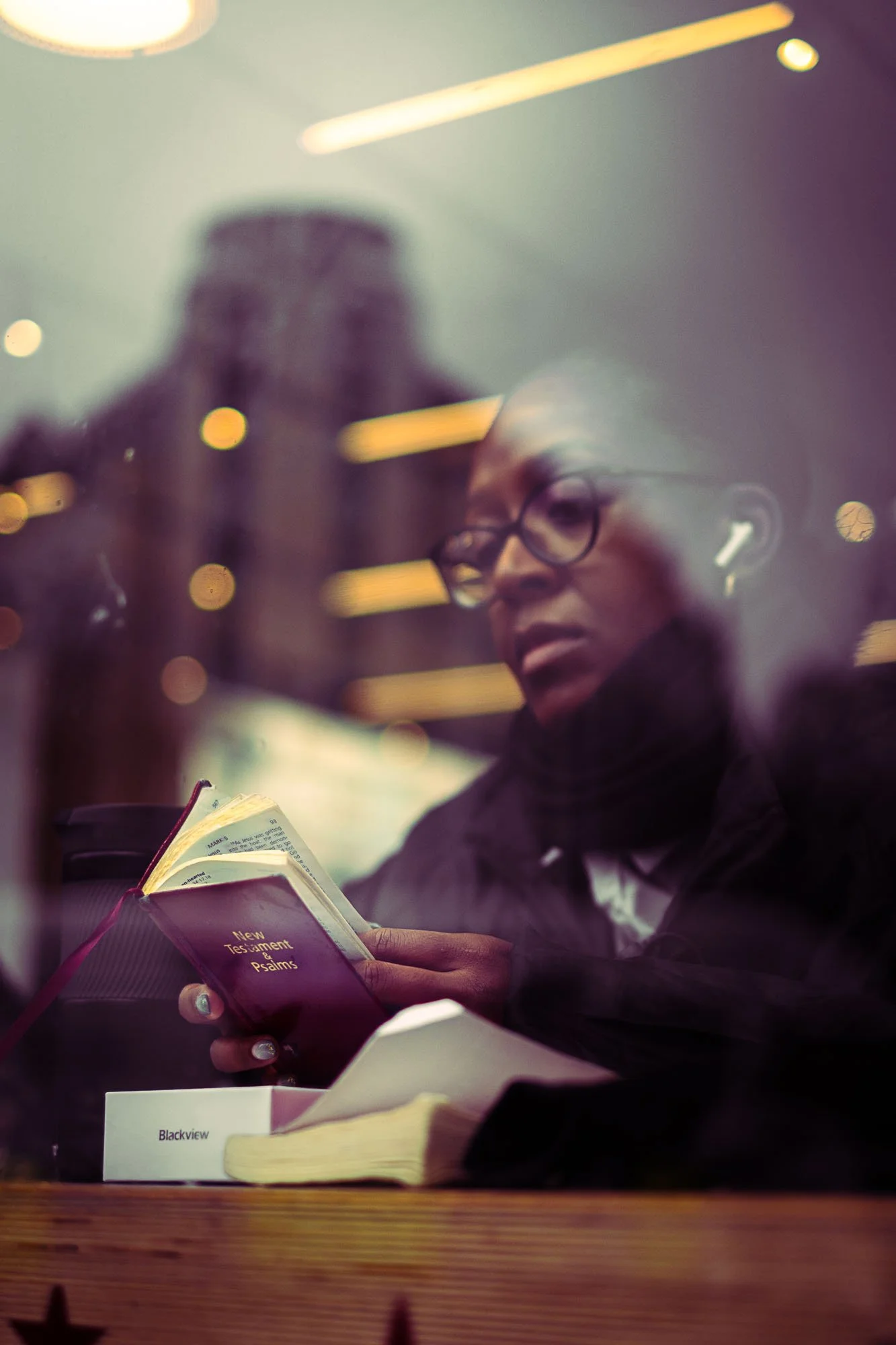


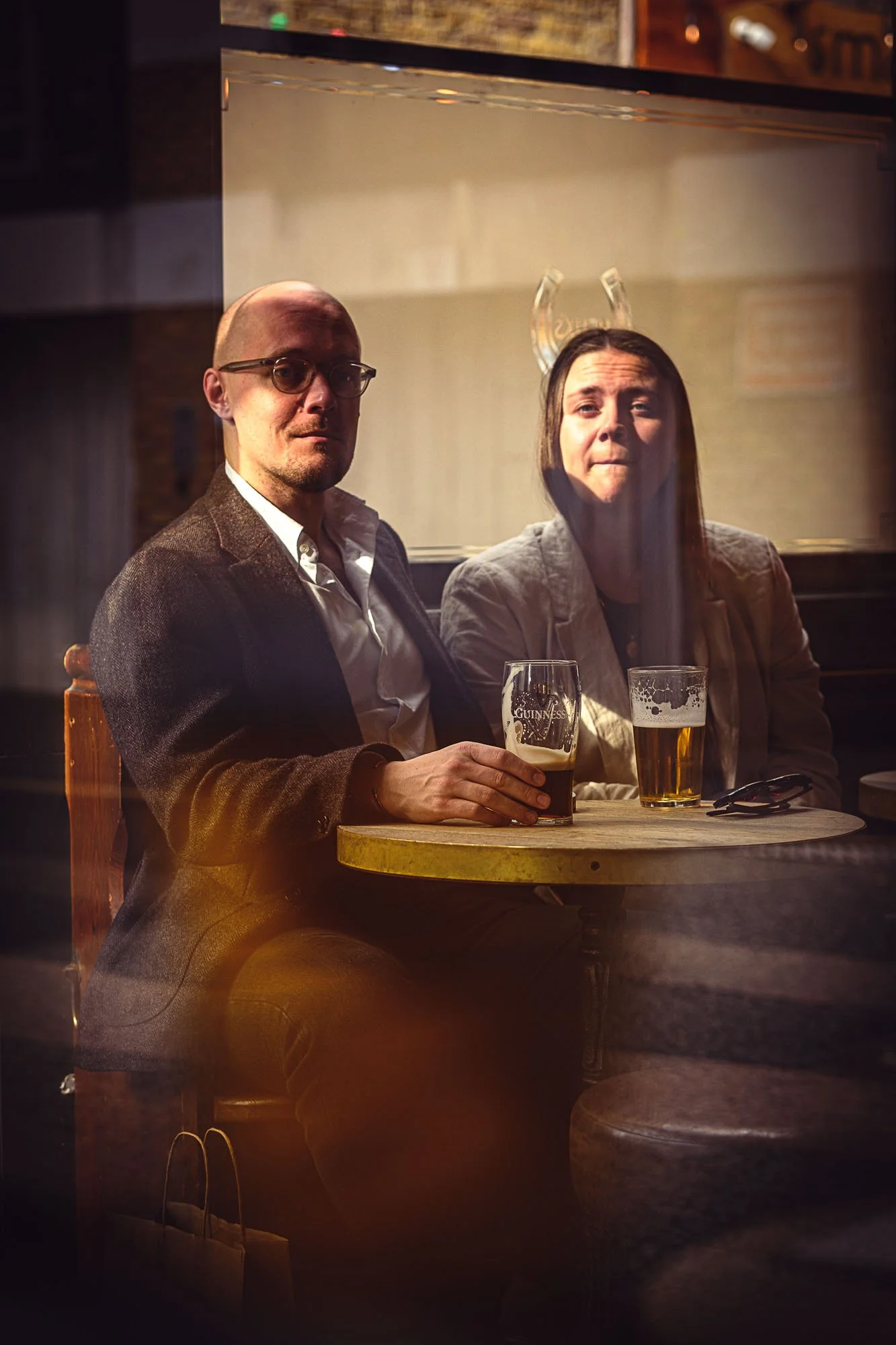
On the fast moving city streets, the glass pane is more than just a protective barrier. It’s a stage, a frame of visual interest, and for the hesitant photographer, it’s a sanctuary. Street photography can be described as photography on "hard mode."
For many looking to discover and learn street photography, the greatest hurdle isn't technical, it's the fear of confrontation.
A protective shield
This is where the window becomes a "protective shield". There is an element of psychology at play; when we find ourselves on the other side of a pane of glass, we feel partially removed from the subject. This separation provides a crucial moment of detachment that allows the photographer to observe and frame a scene without the immediate pressure of direct, unshielded interaction.
However, this shield is transparent, and this is where it gets interesting. The subject may look up and see a camera pointed their way. Now you’re in direct interaction with the subject and how they react can result in some unique moments. Often they’ll look slightly startled, wondering if they are the subject of your interest. Some will smile, and some will gesture for you to sod off.

Eye contact
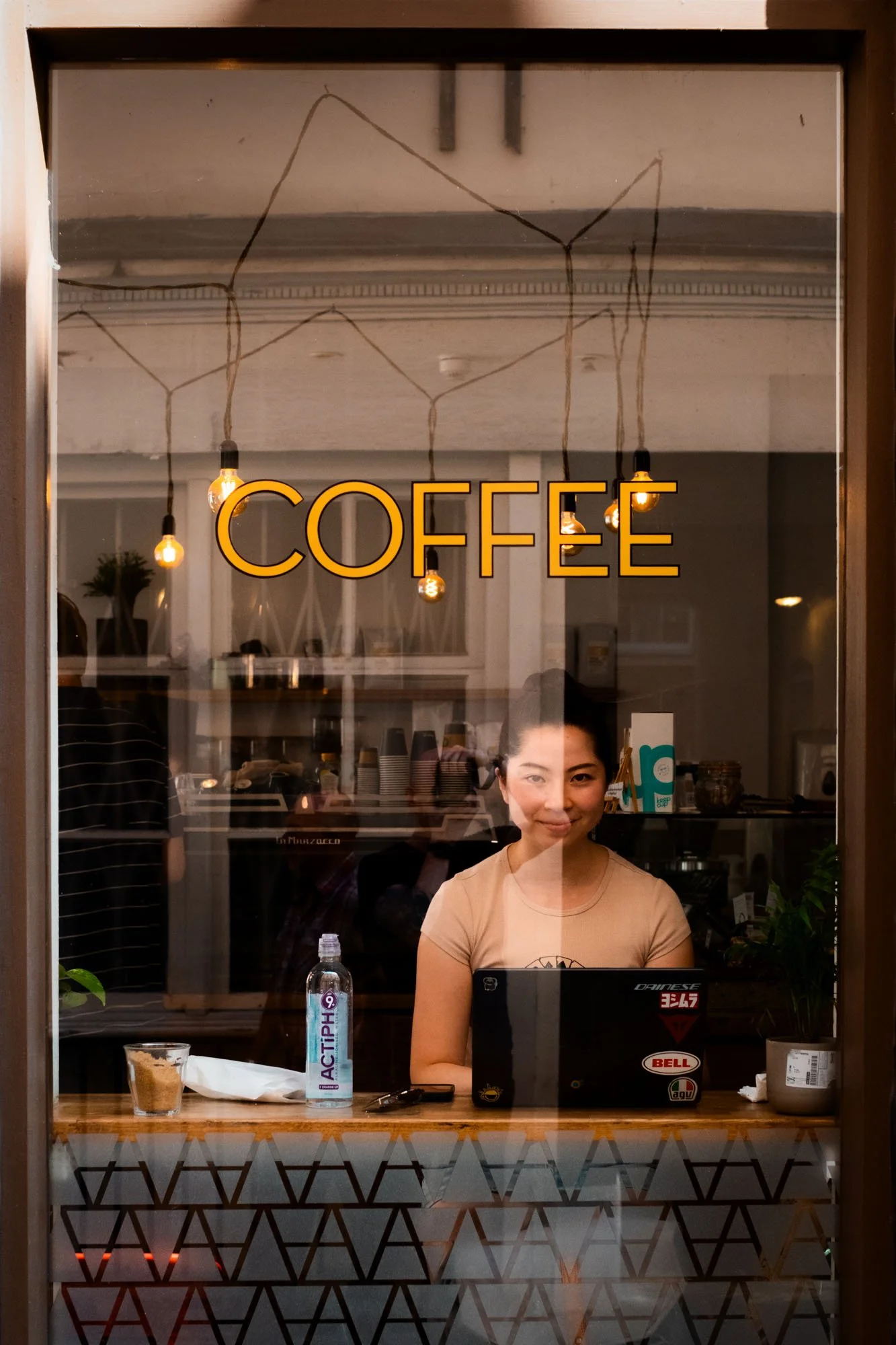
Dawn Eagleton, a master of the shop window shot, explains in her interview with Sean Tucker, how she waits for that moment of eye contact before taking the shot. Eye contact breaks the barrier of the window and if the shot is timed right, that eye contact is made the first moment the subject looks up. It’s the timing of this moment that maintains the candid nature of the image, which for many is an important part of street photography. Once this initial contact has passed, the moment is gone, and the subject will alter their behaviour, resulting in a far less compelling image.
Glass also provides great opportunities to introduce layers to your images. Depending on the lighting conditions, the glass will reflect the scene behind you, and with some careful composition, the subject and the reflected environment can be used to great effect, often telling multiple stories in a single image. The glass acts as a canvas where the two worlds collide.

The trick is to not disturb the scene or catch the attention of the subject before you’ve found your composition. Being aware of the screen behind you and how that might play out in the reflection can reduce the time you take to get the shot, but most often, you’ll have to take care of all these elements as you look through the viewfinder.
Photobombing
One other subject to bear in mind is arguably the most important, yourself, the photographer. Depending on the angle, you’ll make an appearance in the frame, often reflected over the subject. This can either enhance or diminish the image, but it does offer a rare opportunity to see both the subject and the photographer in the same frame, and if the light is right, the connection between photographer and subject can be clearly visible.

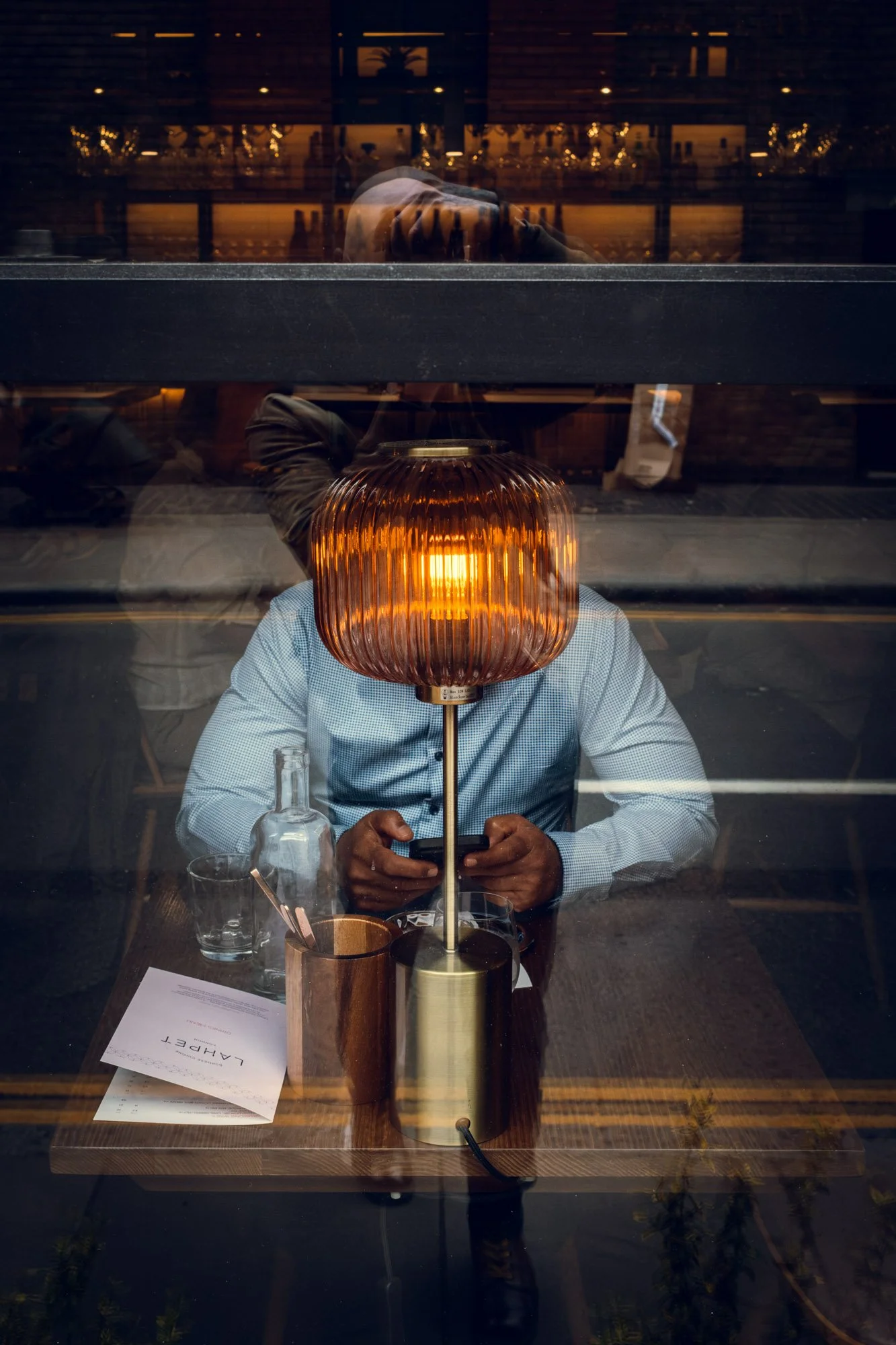
During my early days in street photography, and to this day whenever the creative gears need a little oil, I rely on the window as a warm-up or a "cheat sheet" for capturing some quick shots. On those frustrating days when confidence is low and I feel out of sync, a glass pane can often save the day and get me back in the groove.