Fujilove interview
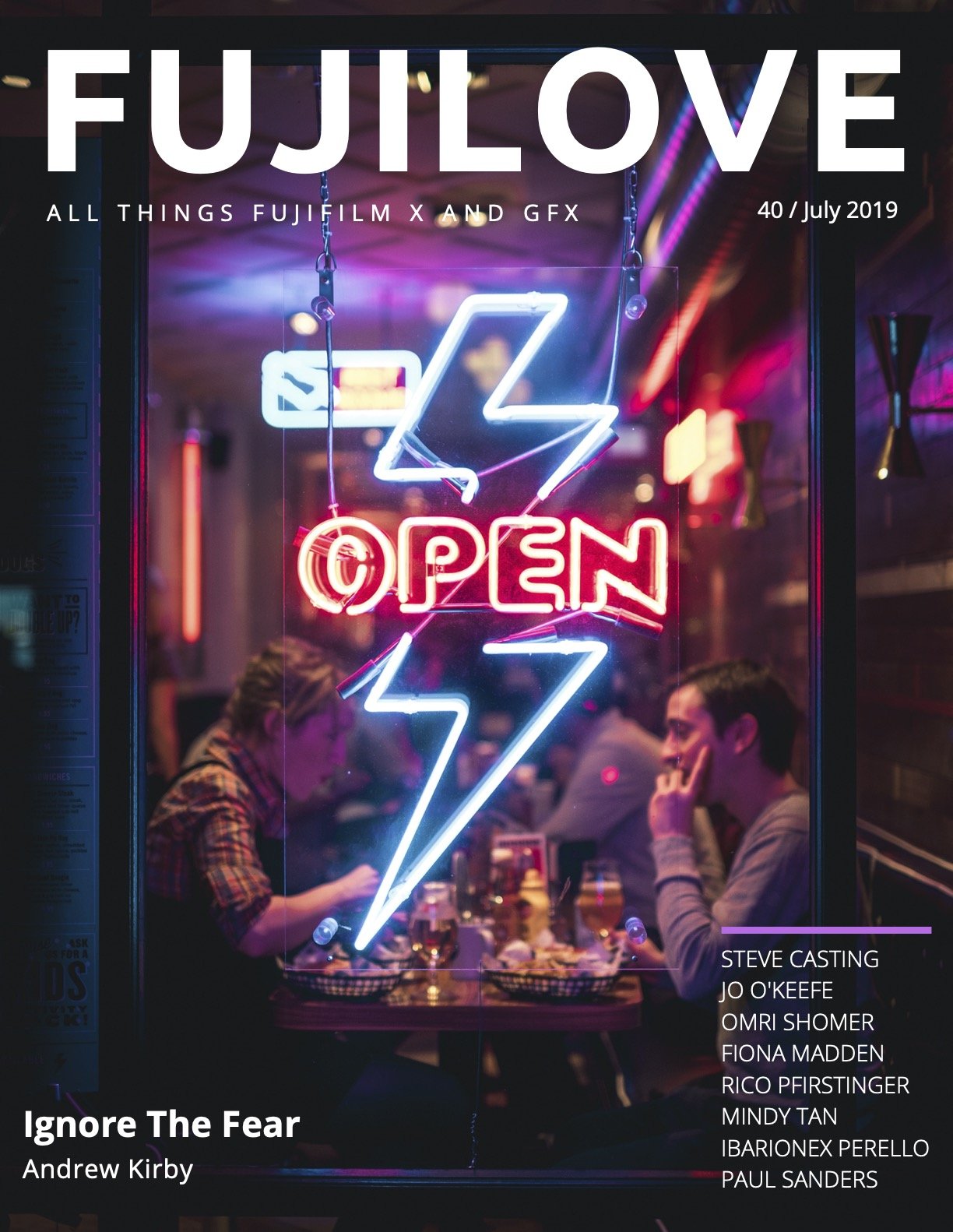
Fujilove Magazine cover, July 2019
I recently stumbled across an interview I did with Fujilove magazine for their July 2019 edition. I think the interview still stands up so I’ve included it here for posterity. I was also pretty pleased when I was asked to contribute to a publication as good as Fujilove.
Andy, welcome to FujiLove! For those readers who might not know you, can you tell us a little bit about who you are and what you do?
I’m a London based photographer who spends most of my time on the streets of London, either shooting street photography for pleasure, or street-based photography for brands who require something a little different. I started my professional career in Graphic Design, but since I was very young, I’ve been fascinated by photography. Beginning with a Canon T70 back in the analogue days of film and darkrooms, then moving into digital photography as the cameras became more widely available.
Initially, I was drawn to architecture photography and would spend my free time walking the streets of London, always looking up for interesting and often missed photo opportunities. I was intrigued by the possibilities only looking up could offer.
It was during this time I got the street photography bug. The possibility of capturing the everyday events which play out on the streets of London was too tempting to ignore. With an unlimited number of subjects, street photography is an incredibly exciting genre, and no two minutes are ever the same. I was also keen to get out of my comfort zone and be involved in something which gets the heart pumping a little faster. The fear of street photography and the challenge this presents can provide a tremendous sense of achievement if you conquer it.
What’s your process for shooting street photography? For example, do you pre-plan your location and what sorts of images you’d like to try and get, or is it more of an organic, exploratory process that evolves once you’re out on the streets?
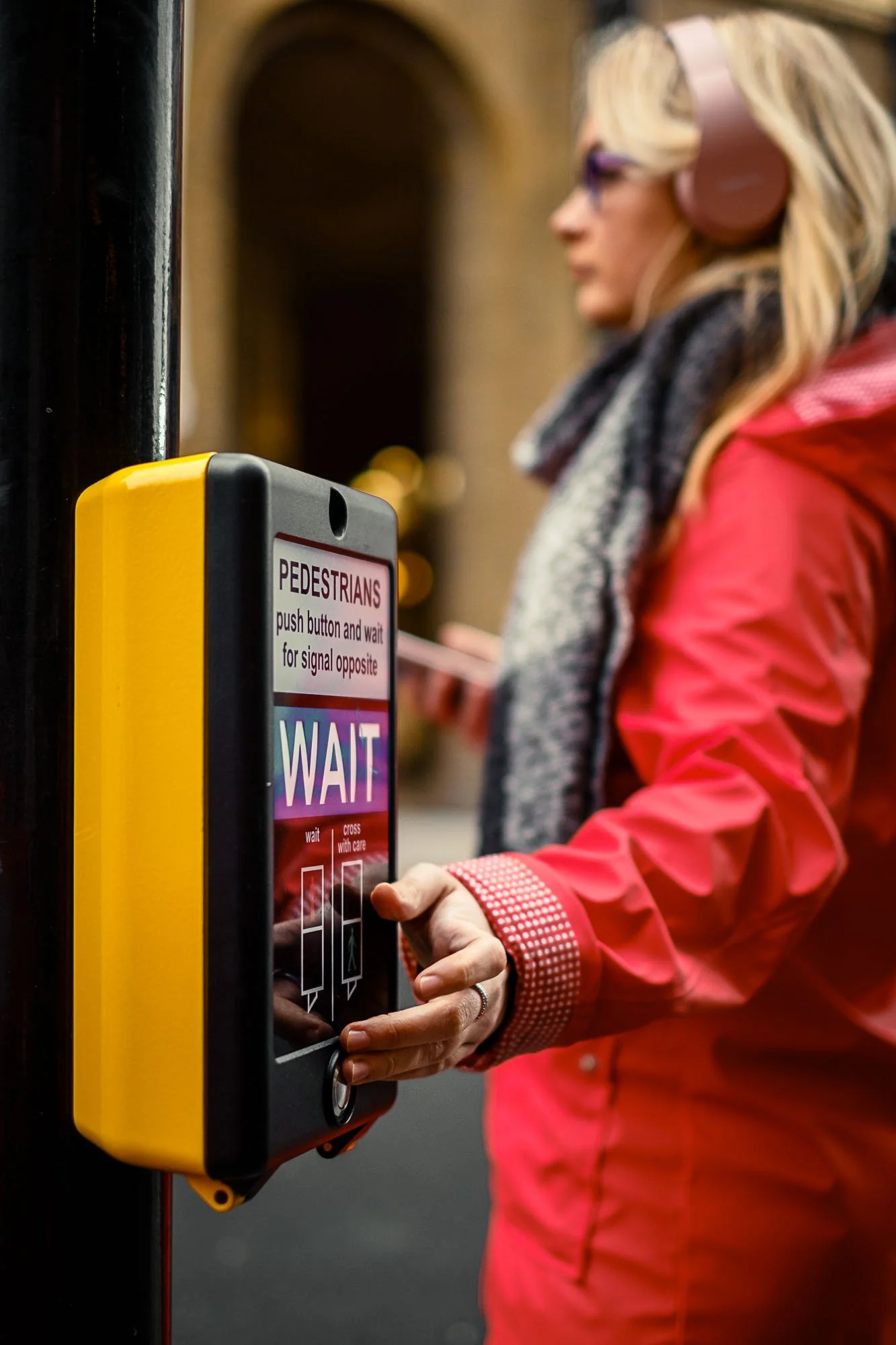
I don’t have a process. I tend to wander the streets and see what happens. You can walk the same streets each day, and the possibilities will be different each time. Naturally, I have some favourite locations which I tend to visit regularly. I find knowing an area well can help increase the chance of capturing something interesting, as you begin to get a feel for the locations. The most exciting challenge of street photography is to see the details most would miss. Places with strong light, shadows and reflections are often worth exploring.
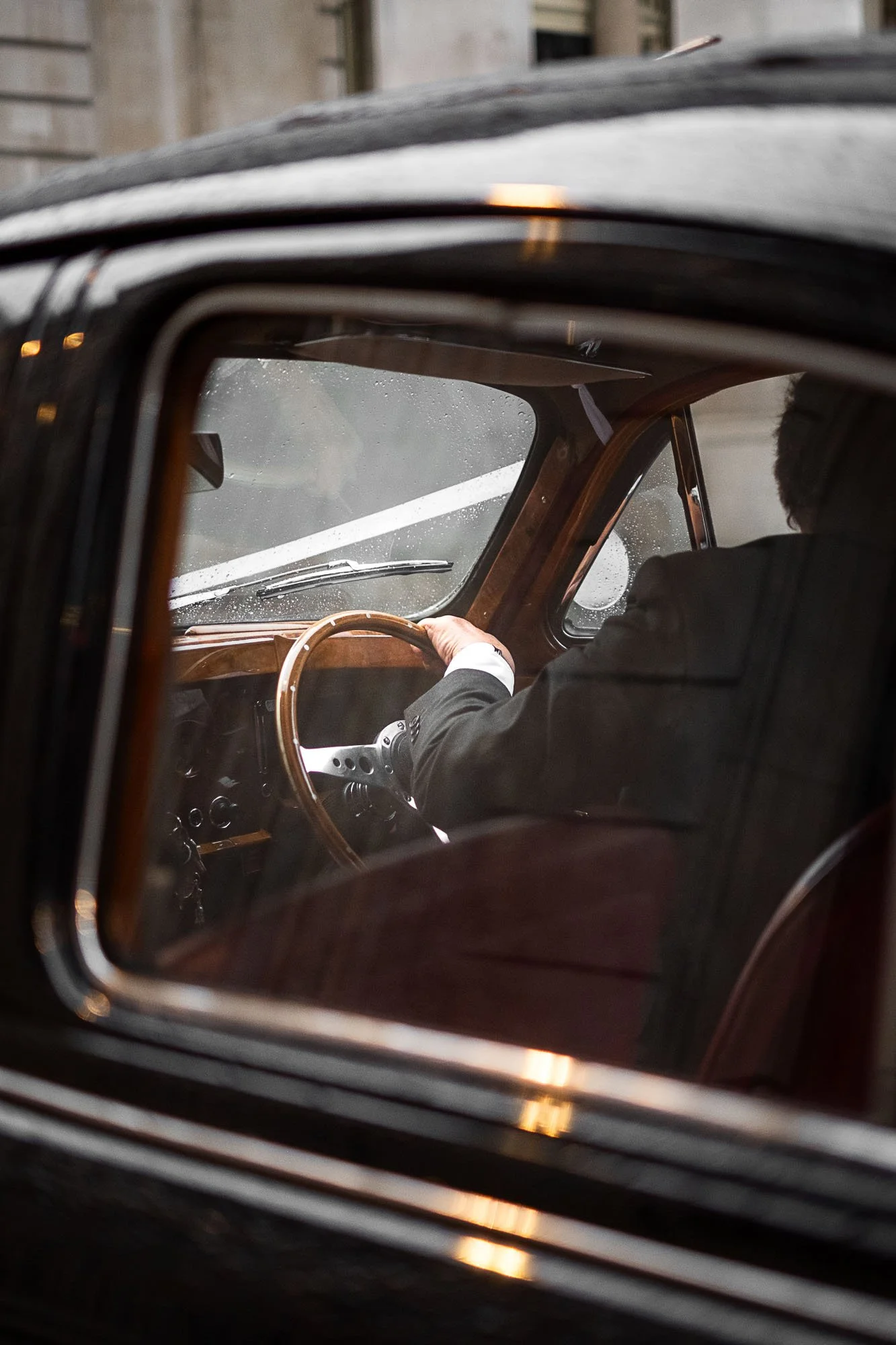
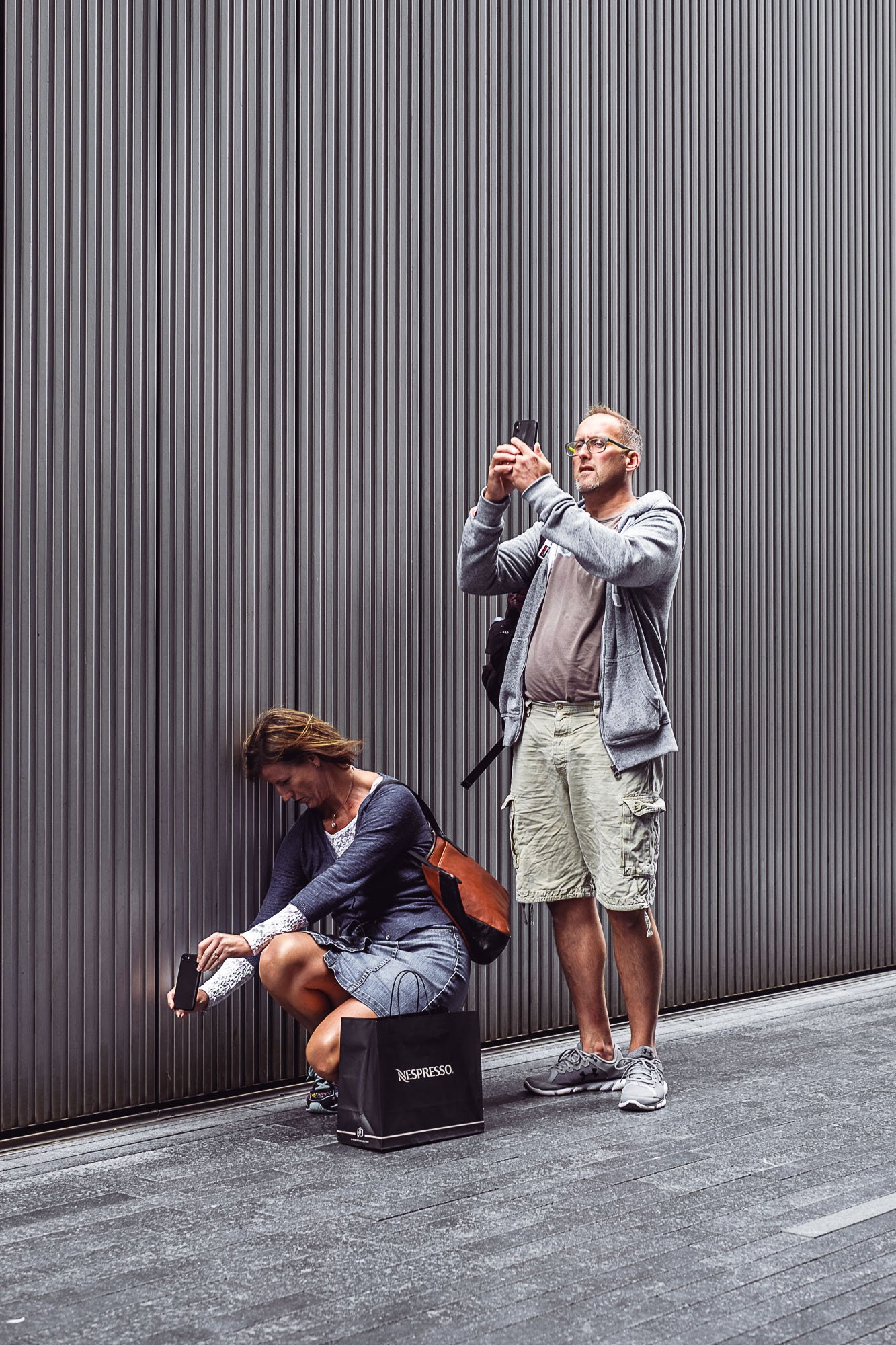
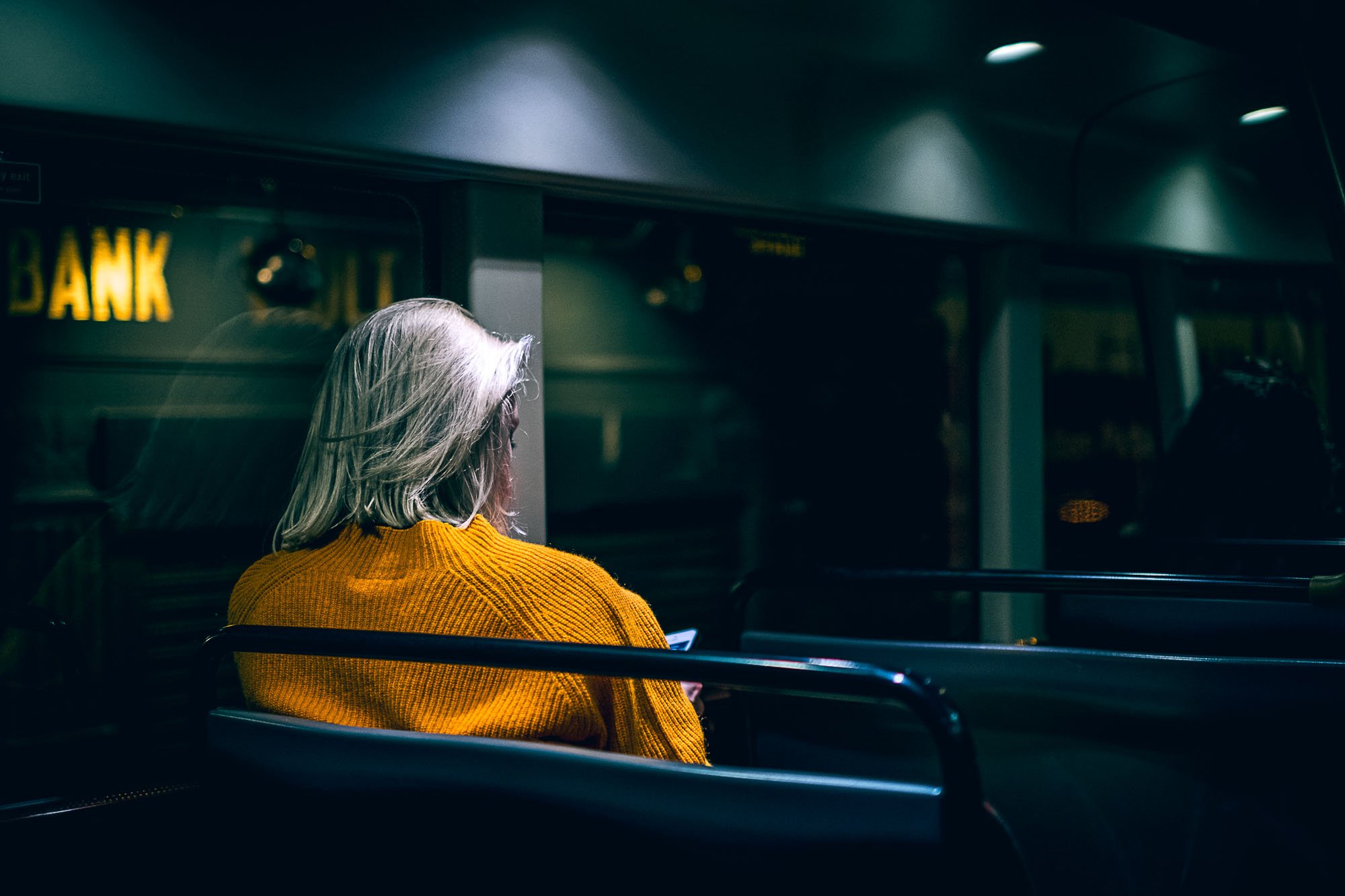
As a native to the UK myself, I feel like we live in a country that is fairly grey a lot of the time, particularly in London. Despite this, I have been so intrigued by the amount of colour in your street photography. Is colour something that you proactively look for when trying to find a good image?
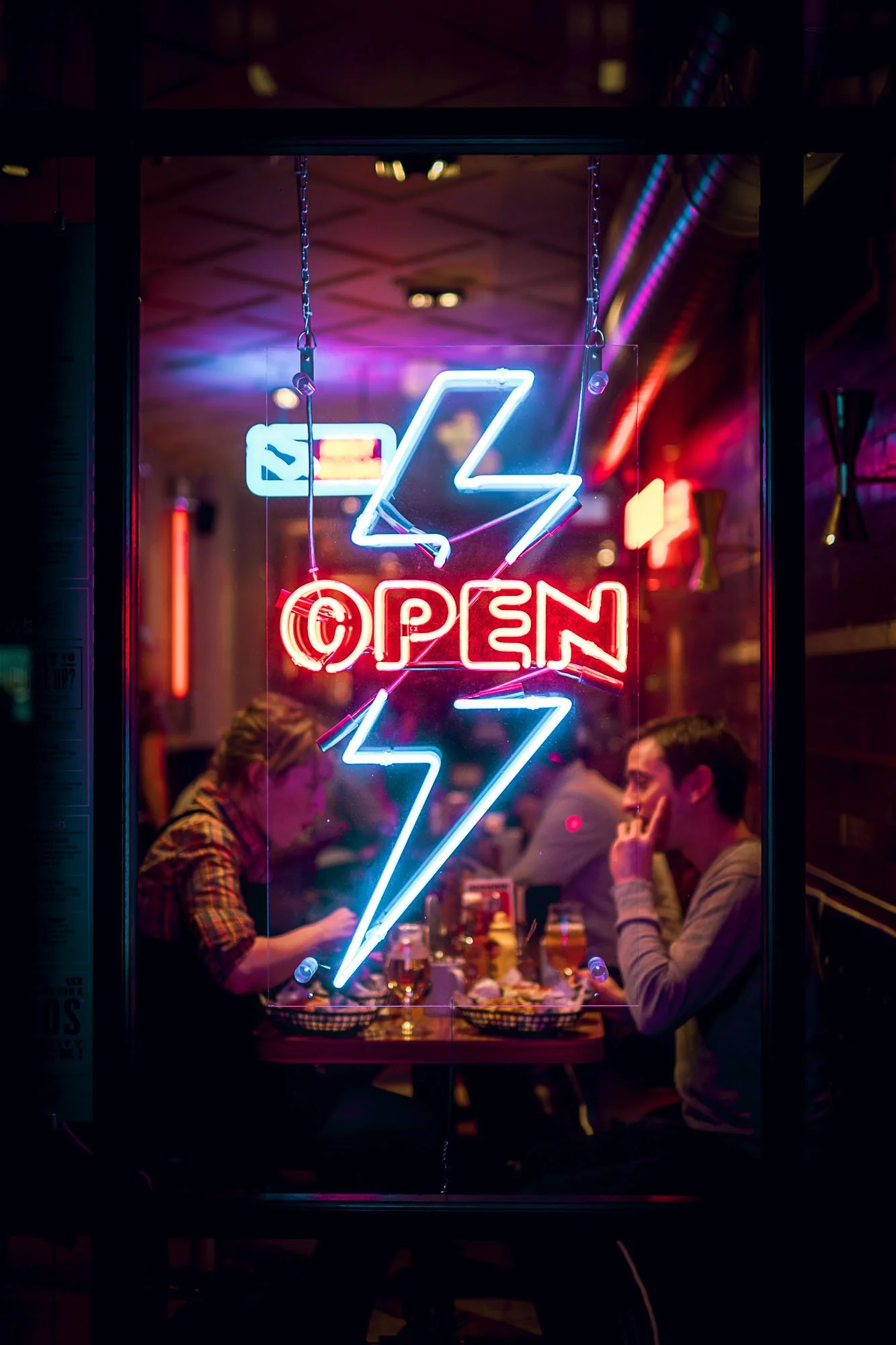
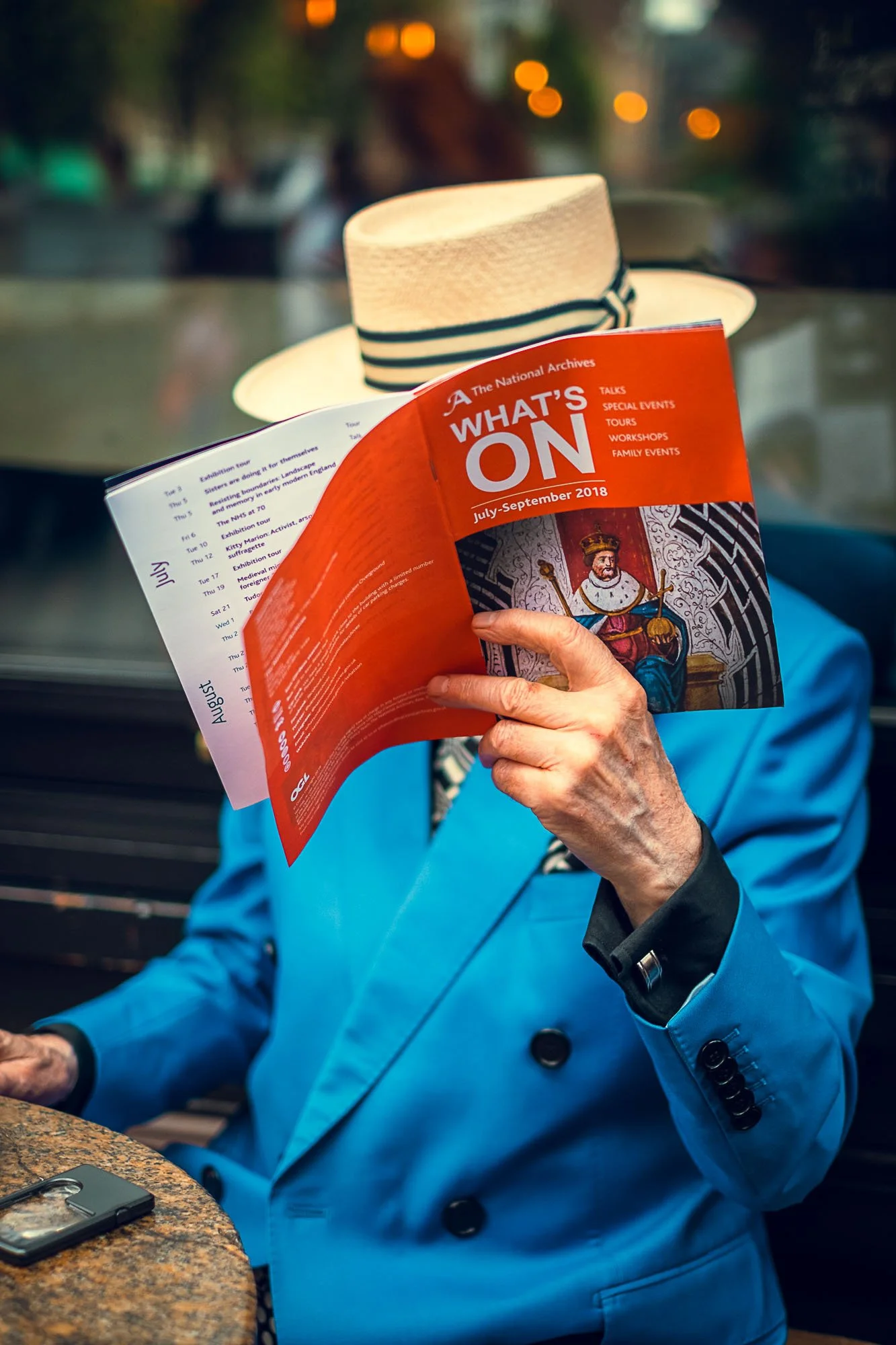
Yes, colour is something I’m always looking to utilise. Often I’ll try to capture colours which compliment each other, as this can often be the difference between a snapshot and a good photo. I also use colour when I’m feeling uninspired. I tend to set myself mini projects, such as only capturing scenes with a particular colour in them. I find doing this can help focus the eye on interesting details which often missed. Mini projects with a focussed theme can completely change the way you approach street photography and often re-ignite your passion if you’re feeling a little uninspired.
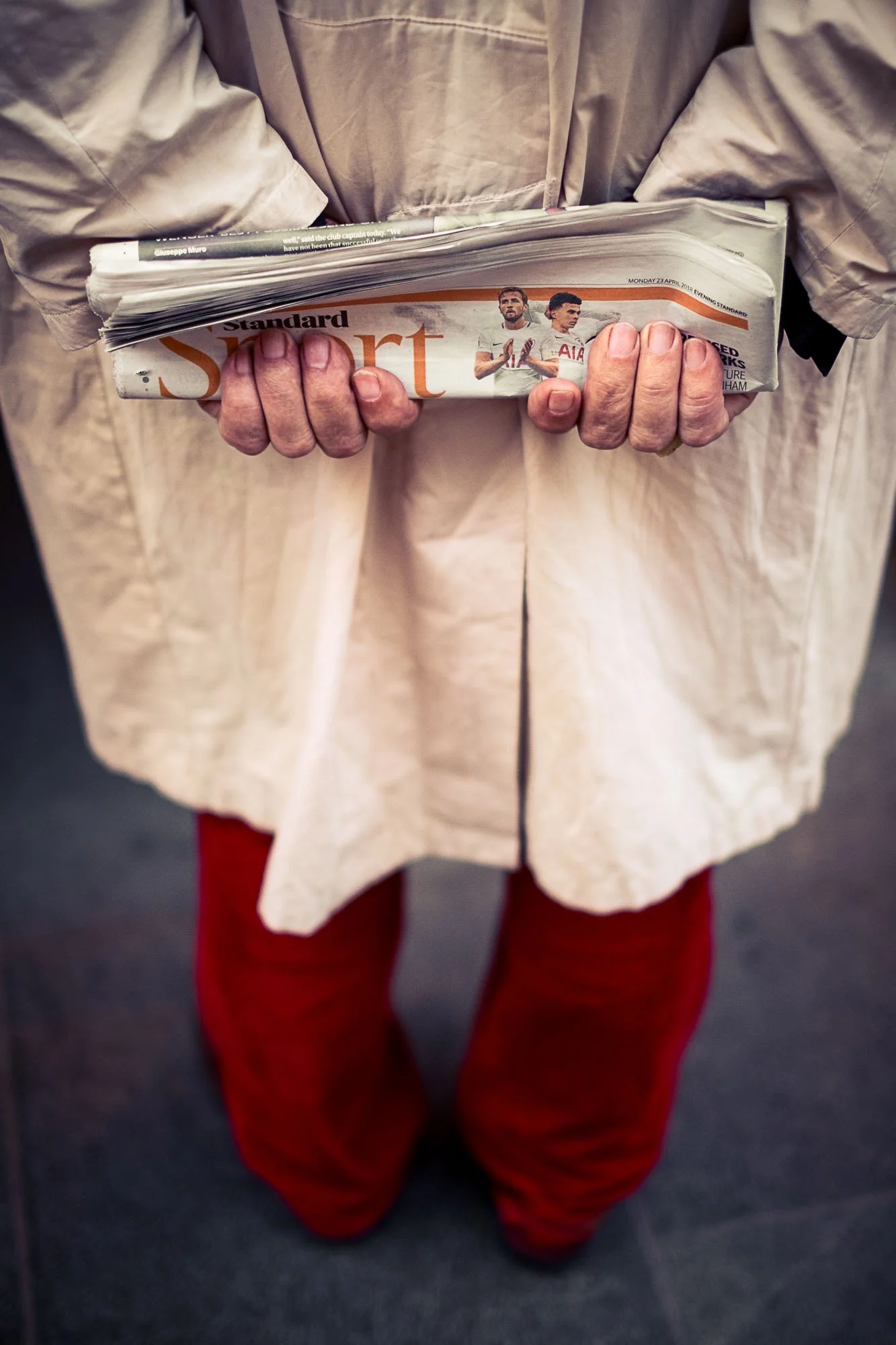
Something else that I’ve noticed about your street photography is how you’re often getting in close to a subject, either physically yourself or by way of a zoom lens. How has this come about in your photography and what effect do you think it has on your body of work?
The biggest challenge for any street photographer is feeling self-conscious and being afraid to shoot. I only ever use a prime lens, usually a 35mm. I find this makes me work that little bit harder. When using a prime lens, the approach to composition is far more disciplined. Use your legs to zoom, get close. If my heart isn’t beating a little faster than usual, I know I’m not close enough.
There are lots of ways a street photographer can get close to their subject without invading personal space and causing any discomfort. Often people don’t notice you. Hiding in plain sight is easier than you may think.
I often come away from shooting disappointed with the feeling that I am not getting close enough. It’s a constant work in progress to push yourself past your comfort zone. The effect I hope this has on my work is continuous improvement.
What Fujifilm gear is in your camera bag for street shooting?
I shoot with an X-T2 + 35mm 1.4, and an X-T20 + 27mm pancake. I love the 35mm 1.4, it’s fast and has a great focal length for street photography. The T-20 with the 27mm pancake is perfect as it fits in a coat pocket and is very inconspicuous. I’ve captured shots in some very tight spaces with this combination. One of the many benefits of Fujifilm cameras is their physical dials. These enable quick and easy adjustments to be made, often without looking at the camera and missing one of those fleeting moments a street photographer cannot miss. Fujifilm cameras are very intuitive and remind me of the days when cameras had far fewer bells and whistles.
What tips or advice would you give for people wanting to improve their street photography skills, particularly in terms of ‘beating the fear’?
Ignore the fear. It’s nonsense and will only hinder your ability to take photos on the street. Generally, nobody cares what you’re doing. It’s incredibly frustrating to see a shot and not take it because of the fear. Once you start ignoring it, you’ll soon find yourself getting into some great positions which will result in better photos. You’ll also realise you were worrying about nothing. It’s better to take the shot than not.
Try and spot a potential scene you’d like to capture before you get there, which will allow you to assess the situation better and prepare yourself.
Get close, take the photo and move on. I tend to avoid eye contact and continue on my way. Don’t act nervous. Keep your movement smooth and relaxed.
Fujilove is a digital magazine and community focused on Fujifilm X Series and GFX cameras. It offers articles on photography techniques, gear insights, and artist interviews.